














































































































































































































































































































































































































































































How Coastal Cities Built Their Modern Travel Identity


Coastal cities have always attracted travelers due to the beauty of nature and their vibrant culture. These cities have reshaped their personas to accommodate the modern tourist—and yet they maintain a balance of old and new. In this article, we look in a little more detail at how coastal cities have crafted their modern travel personas, what has worked, and the factors that have led to success.
Embracing Local Culture
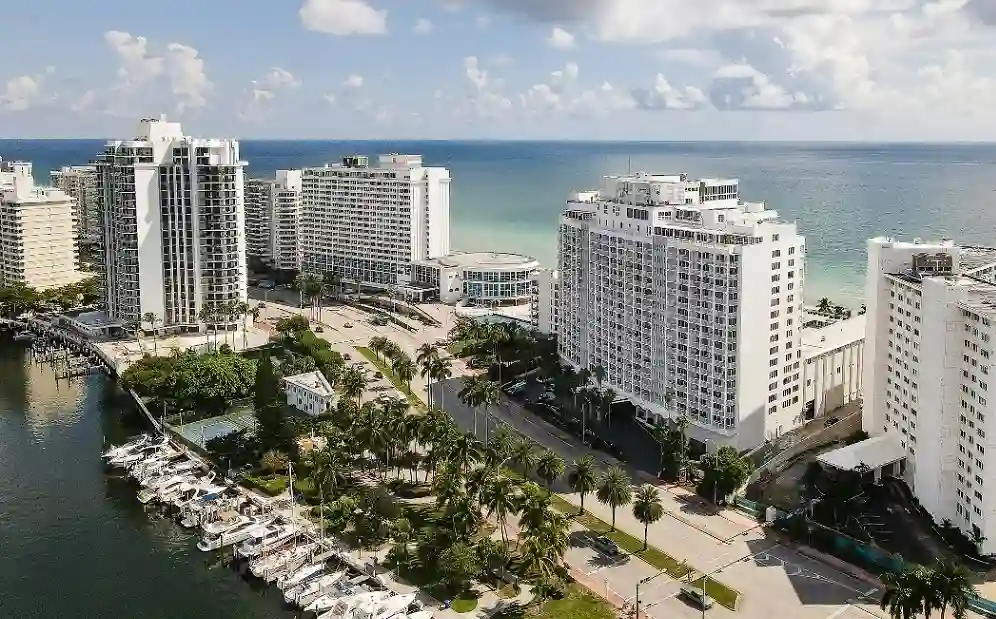
You may be wondering, for instance, “What is Miami famous for?” Celebration of local culture is among the biggest elements in building a modern travel identity. By emphasizing their own local heritage, coastal cities invite visitors to experience something new. Whether you are seeking traditional festivals, culinary delights, or authentic experiences, these highly sought-after destinations deliver it all. Local artists and musicians are, therefore, an important part of that cultural fabric.
Similarly, these cities had invested in preserving some historical sites when planning. This old-meets-new synergy immerses travelers in history against a backdrop of modernity. Coastal cities strike a balance between capturing the unique charm of the area—a mix of culture, history, and character—while appealing to a wider audience.
Sustainable Practices
Traveling sustainably is becoming increasingly important. Eco-friendly initiatives are also becoming popular with coastal cities against this backdrop of growing environmental awareness and the need to attract environmentally conscious visitors. This involves initiatives to promote public transportation, minimize waste, and other sustainable tourism activities. This not only conserves natural resources but also enhances the visitors’ experience.
Increasingly, coastal destinations have also partnered with local businesses to highlight eco-friendly practices. Sustainable dining options and environmentally friendly hotels lay the foundation for responsible tourism. That commitment reinforces the city’s reputation as a responsible travel destination.
Innovative Infrastructure
Contemporary travel requires accessibility and convenience. In response, coastal cities have invested in new infrastructure to support modern-day travelers. Enhancements to airports, ports, and public transport systems allow visitors to move around smoothly and swiftly.
Advancements in technology can be credited for that, too. Mobile apps grant tourists easy access to information and allow them to get around easily. From online booking systems to digital guides, these innovations make the travel experience more seamless and enjoyable.
Adventure and Leisure
The travel identity of a coastal city is a combination of adventure and relaxation. There are several destinations that offer everything from water sports to tranquil beaches. From those in search of adventure to those seeking peace, these cities give visitors a lot of options.
This has led to a rise in adventure tourism, with surfing, scuba diving, and sailing becoming more and more popular. On the other hand, leisure seekers get to unwind on beaches, at spas, and in wellness centers, all of which offer an escape from the hectic pace of real life. This variety allows coastal cities to be interesting to a wide range of travelers.
Culinary Experiences
Food has a special place in every trip. With fresh and easily available produce, coastal cities have developed a vibrant gastronomic identity. Seafood in particular is often a cornerstone, with dishes showcasing and celebrating the regional cuisine. In addition to local markets, there are food festivals and cooking classes for visitors to get the local culinary experience.
Restaurants along the coast are increasingly adopting the farm-to-table model, which benefits from locally sourced fresh ingredients. Not only does this approach help local farmers and fishermen, but it also adds a level of authenticity to the experience. Coastal cities offer diverse culinary options to satisfy any palate.
Community Engagement
Cities on the coast have been wise enough to keep residents involved in tourism. Community-based projects and events lead to better experiences for visitors. Community engagement is even more apparent within volunteer tourism. It could include conservation and cultural exchange as well as educational programs for travelers to help positively impact the destination they are traveling to. In fact, these types of interactions forge a lasting bond between visitors and locals, further enriching the travel experience.
Conclusion
From coastal cities showcasing cultural celebrations and sustainability to those offering innovation, adventure, culinary delights, or a sense of community, these locations have created unique modern-day travel identities. They provide a memorable experience to many visitors. These cities are still evolving, and they remain destinations that attract and enchant travelers worldwide.

